Podkreślić:
Odporne na zużycie płyty ceramiczne do górnictwa
, ceramiczne podszewki górnicze
, płyty ceramiczne do ochrony podszewki
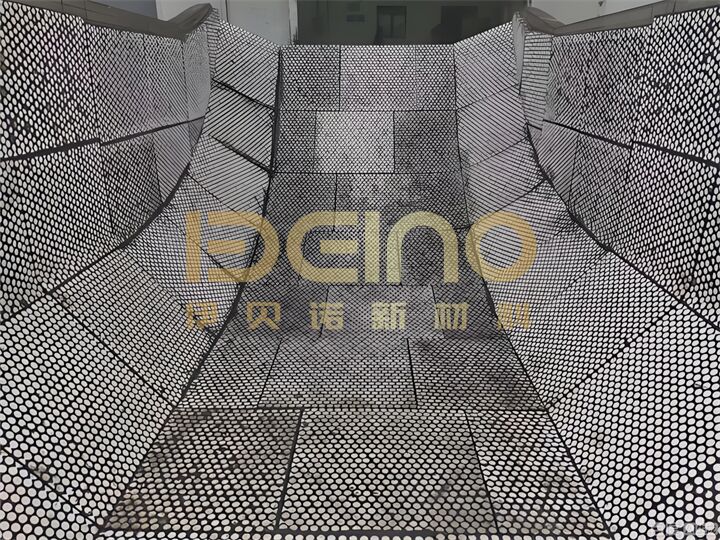
Wykorzystanie płyt ceramicznych odpornych na zużycie w kanałach górniczych
- Nie.Opis produktu
Środowisko pracy w szlakach górniczych jest niezwykle wymagające, a ich mechanizmy zużycia są złożone i zróżnicowane, wyrażając się głównie w trzech podstawowych problemach: po pierwsze, zużycie erozjne,gdzie cząstki rud o wysokiej twardości spadają z wysokości, uderzające w wewnętrzną ścianę spadochronu z prędkością kilkudziesięciu metrów na sekundę, powodując silne efekty cięcia i rozbicia, zwłaszcza w takich obszarach, jak kąty spadochronu i punkty upadku materiału,gdzie zużycie jest bardziej skoncentrowane; po drugie, zużycie z powodu uderzeń, w przypadku których okresowe uderzenia dużych bloków rudy łatwo prowadzą do deformacji i pęknięć płytek wyściółkowych, a nawet powodują uszkodzenie podstawy schody; po trzecie,zużycie żrące, gdzie wilgotne środowisko w podziemnych kopalniach oraz kwasowe i alkaliczne środowiska w osadzie rud przyspieszają korozję płyt metalowych, co jeszcze bardziej zmniejsza ich odporność na zużycie.
Przez długi czas kopalnie wykorzystywały głównie metalowe płyty wyściółkowe, takie jak stal z manganu i żelazo lite o wysokiej zawartości chromu, jako materiały ochronne dla schodów,ale twardość Rockwell tych materiałów to tylko HRC50-60Dane pokazują, że trwałość tradycyjnych metalowych płyt wyściółkowych wynosi zazwyczaj tylko 3-6 miesięcy, a w niektórych obszarach o wysokim zużyciu nawet mniej niż 1 miesiąc.Częsta wymiana płyt wyściółkowych nie tylko wymaga dużej ilości siły roboczej i zasobów, ale również powoduje przestoj linii produkcyjnej, z pojedynczą stratą czasu przestoju często osiągającą setki tysięcy juanów, stawiając ciężkie obciążenie operacyjne na przedsiębiorstwach górniczych.rozwój materiałów ochronnych, które łączą w sobie wysoką odporność na zużycie, odporność na uderzenia i odporność na korozję stała się pilnym potrzebą dla przemysłu górniczego.

Główne zalety płyt ceramicznych odpornych na zużycie:
Płyty ceramiczne odporne na zużyciesą wytwarzane z aluminium o wysokiej czystości (Al2O3), węglanu krzemu (SiC) i innych podstawowych surowców poprzez spiekanie w wysokiej temperaturze i precyzyjne obróbki.Ich właściwości fizyczne i chemiczne znacznie przewyższają tradycyjne materiały metalowe, zapewniające kompleksową ochronę przed zużyciem szyn górniczych.
Ekstremalna odporność na zużycie
Twardość Mohsa płyt ceramicznych aluminowej może osiągnąć 9 (drugie tylko po diament), a twardość Rockwella jest tak wysoka, jak HRA85 lub wyższa.Jego odporność na zużycie jest 266 razy wyższa niż w stali manganowej i 1710,5-krotnie wyższa niż żelazo odlewane o wysokiej zawartości chromu, skutecznie odporne na erozję i ścieranie różnych cząstek rudy.Ulepszone płyty ceramiczne z dodatkiem cząstek węglanu krzemu mogą zwiększyć twardość do HV1800, zwiększając odporność na zużycie o 25% w porównaniu z zwykłymi płytami ceramicznymi, co czyni je odpowiednimi do zastosowań w warunkach o wysokiej ścierności, takich jak szczeliny do suszenia rud i pompy do suszenia.
Wyważona odporność na uderzenia
Aby rozwiązać problem kruchości materiałów ceramicznych, przemysł stosuje konstrukcję kompozytową zawierającą "ceramiki + twardy podłoże".Płytka ceramiczna jest ściśle połączona z twardym podłożemtwarda warstwa ceramiczna zapewnia odporność na zużycie, natomiast elastyczna warstwa poniżej skutecznie pochłania energię uderzenia rudy,w celu zapobiegania pękaniu i upadku płyty ceramicznej, osiągając w ten sposób zarówno "wysoką odporność na zużycie", jak i "odporność na uderzenia". Praktyczne badania wykazały, że ta konstrukcja kompozytowa może wytrzymać siłę uderzenia 10-15 J/cm2,idealnie nadaje się do warunków dużego wpływu w szlakach górniczych.
Stabilna odporność na korozję i wysokie temperatury
Ceramika aluminowa ma niezwykle stabilne właściwości chemiczne, odporne na korozję mediów kwasowych i alkalicznych oraz nawozów rud bez rdzenia.Dzięki temu nadają się do wilgotnych i korozyjnych środowisk znajdujących się w podziemnych kopalniachJednocześnie ich doskonała stabilność termiczna pozwala na utrzymanie stabilnej wydajności w środowiskach o wysokich temperaturach powyżej 800°C.co sprawia, że są one odpowiednie do specjalnych warunków, takich jak wysokotemperaturowe przenoszenie proszku, wydłużając okres użytkowania o 4-6 razy w porównaniu z tradycyjnymi poliuretanowymi gumkami.
Znaczące ogólne korzyści ekonomiczne
Chociaż początkowa inwestycja w płyty ceramiczne odporne na zużycie jest wyższa niż inwestycja w metalowe obudowy, korzyść kosztowa w cyklu życia jest znacząca.ich żywotność może zostać wydłużona do 2-5 lat, znacznie zmniejszając częstotliwość wymiany powłoki i czas przerwy; z drugiej strony gęstość płyt ceramicznych wynosi tylko 1/3 gęstości metalowej,który zmniejsza masę całkowitą spadochronu i obniża zużycie energii napędowejPonadto gładka powierzchnia ceramiczna i niski współczynnik tarcia zmniejszają ryzyko przyczepności i zatkania materiału, zwiększając efektywność transportu.Badania przypadków pokazują, że po ulepszeniu rury kopalni węglowej płytami ceramicznymi, roczne koszty utrzymania zostały zmniejszone o ponad 800 000 juanów, co zaowocowało zwrotem z inwestycji w wysokości ponad 300%.
Parametry produktu
| Pozycje |
Specyfikacje |
| Zawartość tlenku glinu |
≥ 95% |
| Gęstość |
≥ 3,8 g/cm3 |
| Rockwell twardość |
≥ 85HRA |
| Siła uderzenia |
≥ 1500 MPA |
| Wytrzymałość na złamania |
≥ 4,0 MPa·m1/2 |
| Siła gięcia |
≥330MPa |
| Przewodność cieplna |
20 W/m.K. |
| Współczynnik rozszerzenia cieplnego |
7.2×10 6m/m.K. |
| Opóźnienie objętościowe |
≤ 0,02 cm3 |
Proces zastosowania i rozwiązania dopasowujące dla płytek ceramicznych odpornych na zużycie
Stosowanie płytek ceramicznych odpornych na zużycie w szlakach górniczych musi być zgodne z zasadami "adaptacji warunków i standaryzacji procesów." Odpowiedni rodzaj ceramiki i proces montażu należy wybrać na podstawie struktury osłony i właściwości materiału (rozmiar cząstek), twardości i wysokości upadku) w celu zapewnienia maksymalnej ochrony.
Porównanie głównych procesów instalacyjnych
Obecnie istnieją trzy główne procesy montażu ceramicznych podszewk w szlakach górniczych, z których każdy jest odpowiedni do różnych warunków pracy:
Metoda łączenia klejącą:Wykorzystując wysokiej wytrzymałości epoksydowy klejnot konstrukcyjny do ściany wewnętrznej osłony, linia ceramiczna zapewnia wysoką wydajność konstrukcyjną i gładką powierzchnię.i nadaje się do dużych płaskich lub delikatnie zakrzywionych spadochronów oraz warunków pracy o wytrzymałości uderzeniowej materiału ≤ 5 J/cm2Podczas budowy powierzchnia podłoża musi być czysta i sucha, o grubości Ra3,2-Ra6,3 μm. Warstwa kleju musi być pełna i wolna od próżni,i czas utwardzania powinien wynosić co najmniej 24 godziny.
Metody spawania:W przypadku, gdy wzorzec nie jest w stanie utrzymać się w stanie trwałości, należy zastosować metodę, która pozwala na utrzymanie się w stanie trwałości, w tym w przypadku, gdy wzorzec jest w stanie utrzymać się w stanie trwałości.co sprawia, że nadaje się do pracy w warunkach wysokiego upadku (≥ 5 m) i wysokiego wpływuProces ten wymaga odpowiedniego uszczelnienia spawania i obróbki przeciwluzowania, aby zapobiec przeniknięciu osadu i późniejszej korozji materiału bazowego.
Proces kompozytowy z rowką w ogonie:W tej metodzie do podwójnego mocowania wykorzystuje się połączenie mechanicznych elementów mocowania i kleju konstrukcyjnego.co sprawia, że nadaje się do spadochronowaniaW przypadku urządzeń, które są narażone na długotrwałe drgania o wysokiej częstotliwości, jego wady obejmują wysokie wymagania dotyczące precyzji obróbki i dłuższy okres instalacji.
Metoda wyboru ceramiki odpornej na ścieranie
| Model produktu |
Temperatura pracy (°C) |
Stosowane media |
Cząsteczki materiału ((mm) |
Zakres stosowania |
| Rodzaj pasty |
300 |
Proszek/Slurry |
≤ 3 |
Pneumatyczne przenoszenie proszku lub osadu w temperaturze poniżej 300°C |
| Wyroby z włókien |
300-800 |
Proszek/Slurry |
≤ 10 |
Pneumatyczne przenoszenie większych cząstek proszku lub osadu pod temperaturą poniżej 800 °C |
| Ogon gołębia |
≤ 800 |
Proszek/Slurry |
≤ 200 |
Przenoszenie większych pyłów cząstek stałych lub urządzeń obrotowych o dużej prędkości poniżej 800 °C |
| Odporny na uderzenia |
≤ 800 |
Granule/Slurry |
≤ 200 |
System przenoszenia materiału luźnego poniżej 800°C, szczególnie odpowiedni do mieszanki twardego materiału luźnego i materiału proszkowego |
| Rodzaj kompozytu z gumy ceramicznej |
-50~150 |
Granule/Slurry |
≤ 10 |
System przenoszenia materiału masowego poniżej 150°C, szczególnie odpowiedni do przenoszenia materiału masowego miękkiego, może wytrzymać duże uderzenia |
P1: Jakie są różnice między standardowymi płytkami ceramicznymi a płytami kompozytowymi ceramicznymi z gumą?
A1:Płytki ceramiczne:Bezpośrednio przymocowane lub śrubowane w miejscu, zapewniające najwyższą twardość i wyższą odporność na zużycie, odpowiednie do prostych sekcji spadochronów, w których przesuwane zużycie jest podstawowym sposobem zużycia.
Płyty kompozytowe ceramiczne z gumą:Bloki ceramiczne są osadzone w gumie, zwiększając odporność na uderzenia o 40%.takie jak wyloty kruszyw i punkty podawania maszyny do przesiewania.
Obie mogą być stosowane w połączeniu, z płytami kompozytowymi stosowanymi w strefach uderzeniowych i standardowymi płytkami ceramicznymi w prostych sekcjach, osiągając optymalną opłacalność.
P2: Jak wybrać między 92%, 95% i 99% zawartością glinu?
A2: Te trzy wartości reprezentują różne równowagi kosztów:
92% tlenku glinu:Ekonomiczny wybór, odpowiedni do średnich warunków zużycia, takich jak węgiel i wapienny, o odporności na zużycie 120 razy większej niż w żeliwie wysokokopromowej.
95% aluminiowego:Główna klasy przemysłowa, odpowiednia do większości rud metalowych i niemetalowych, oferująca najlepszy stosunek kosztów do wydajności.
99% aluminiowego:Typ wysokiej wydajności, stosowany w warunkach ekstremalnego zużycia (takich jak materiały o wysokiej twardości, takie jak piasek krzemianowy i korund) lub części krytyczne wymagające niezwykle wysokiej odporności na zużycie.
Ogólnie rzecz biorąc, 95% glinu może zaspokoić potrzeby 90% zastosowań górniczych.
P3: Jak długo trwa zamknięcie produkcji w celu instalacji ceramiki odpornej na zużycie?
A3: Zależy to od planu instalacji:
Szybka naprawa online:Lokalne naprawy mogą być wykonywane przy użyciu klejnotów o szybkim utwardzaniu, co pozwala na wznowienie produkcji w ciągu 1-2 godzin w przypadku pojedynczych napraw.
Instalacja segmentowana:Duże spadochrony można zainstalować w trzech segmentach, z których każdy wymaga 8-12 godzin wyłączenia.
Całkowita wymiana:W porównaniu z wymianą tradycyjnych metalowych podszewk, czas można skrócić o 60%.
P4: Co jest lepsze: klejenie lub mocowanie śrubami?
Odpowiedź: Obie mają swoje zalety i są często stosowane w połączeniu:
Przyczepność klejąca oferuje kilka zalet, w tym brak wiertniczych, gładką powierzchnię i jednoliteRozkład naprężenia: nadaje się do cienkiej ceramiki (≤ 15 mm) i płaskich powierzchni.
Złącze śruby:Oferuje większą wytrzymałość mechaniczną i większą odporność na uderzenia.
Złącza złączona:W przypadku obszarów krytycznych stosuje się podejście "najpierw wiązać, a potem nit", co oznacza, że części są najpierw wiązane klejem,a następnie niewielka liczba śrub są używane do dodatkowego mocowania, aby zapewnić pełną niezawodność.
P5:Czy materiały będą przyklejać się lub gromadzić na powierzchni ceramicznej?
A5: W porównaniu z powierzchniami metalowymi ceramika wykazuje znacznie mniejszą tendencję do przyczepności materiału:
Gładka powierzchnia:Współczynnik tarcia wynosi zaledwie 1/3 współczynnika tarcia stali, co utrudnia materiałom przyleganie.
Oczyszczanie hydrofobowe:Opcjonalnie dostępna jest powłoka hydrofobowa, aby zapobiec przyczepieniu się mokrych i lepkich materiałów.
Niska energia powierzchni:Niska wolna energia powierzchniowa ceramiki powoduje mniejsze prawdopodobieństwo przyczepności chemicznej.
Dane pokazują, że ilość nagromadzenia materiału na powierzchniach ceramicznych jest o 60-80% mniejsza niż na powierzchniach stalowych,co czyni go szczególnie odpowiednim do obróbki lepkich materiałów, takich jak mokra glina i koncentraty.

 Twoja wiadomość musi mieć od 20 do 3000 znaków!